ROUPELHISTORY · MEMORY · EXPERIENCE
Roupel Open-Meteo
A COMPLETE HISTORICAL EXPERIENCE

TWO MOUNTAINS.ONE GORGE.A STORY TO EXPERIENCE.

At the Greek–Bulgarian border, on the peaks and slopes of Belles and Agkistro, people left families and dreams behind to defend our homeland in April 1941.

Their stories await us at the legendary Fort Roupel, the Belles WWII Memorial Centre and along the routes of Metaxas Line Tour.

Walk in their footsteps. Discover the people behind the history.

KERKINI / BELLES · ROUPEL GORGE · AGKISTRO
Line drawing of the Roupel memorial with a tunnel photograph

TWO SIDES.
ONE SHARED HISTORY.

From the tunnels of Roupel to the history of the Belles forts.

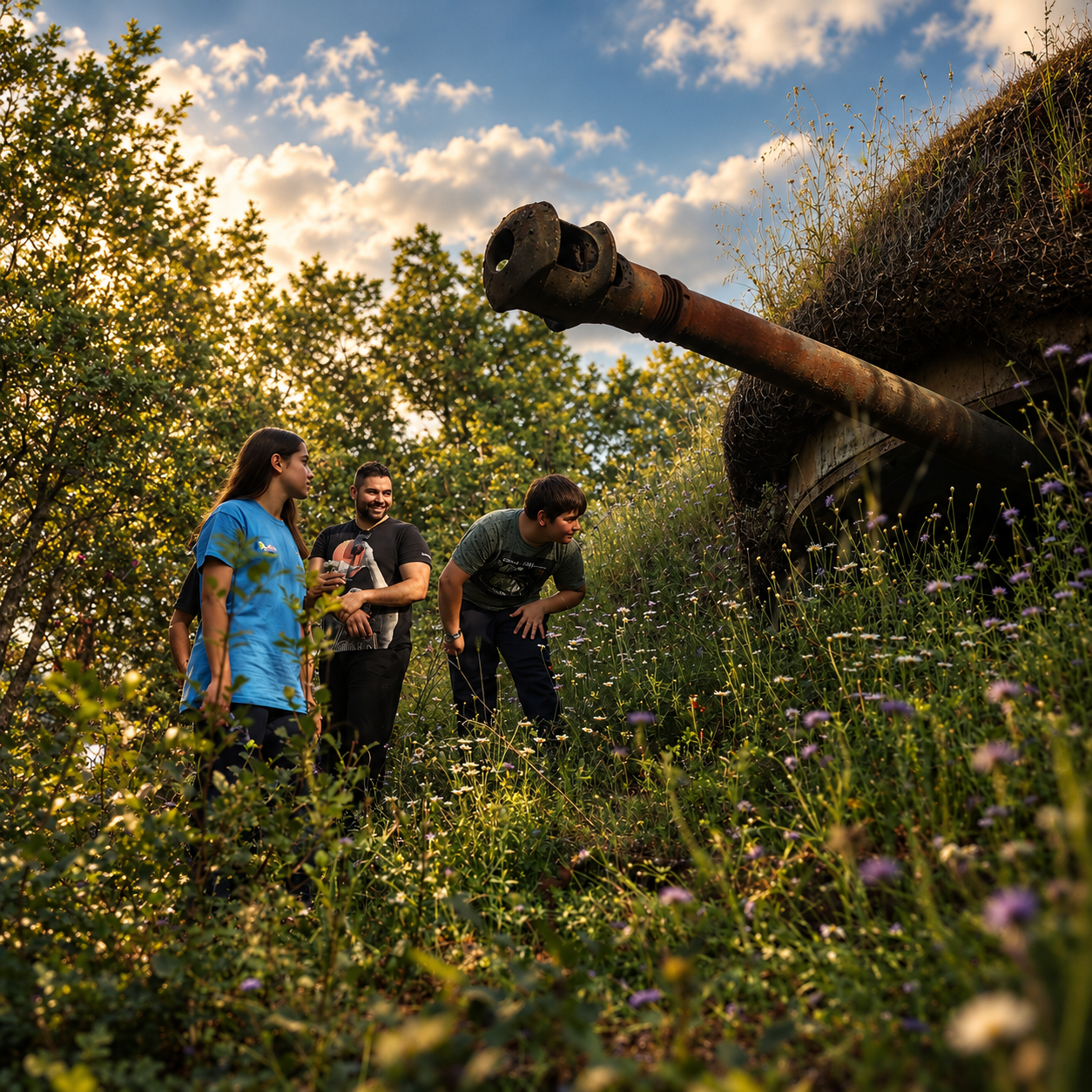
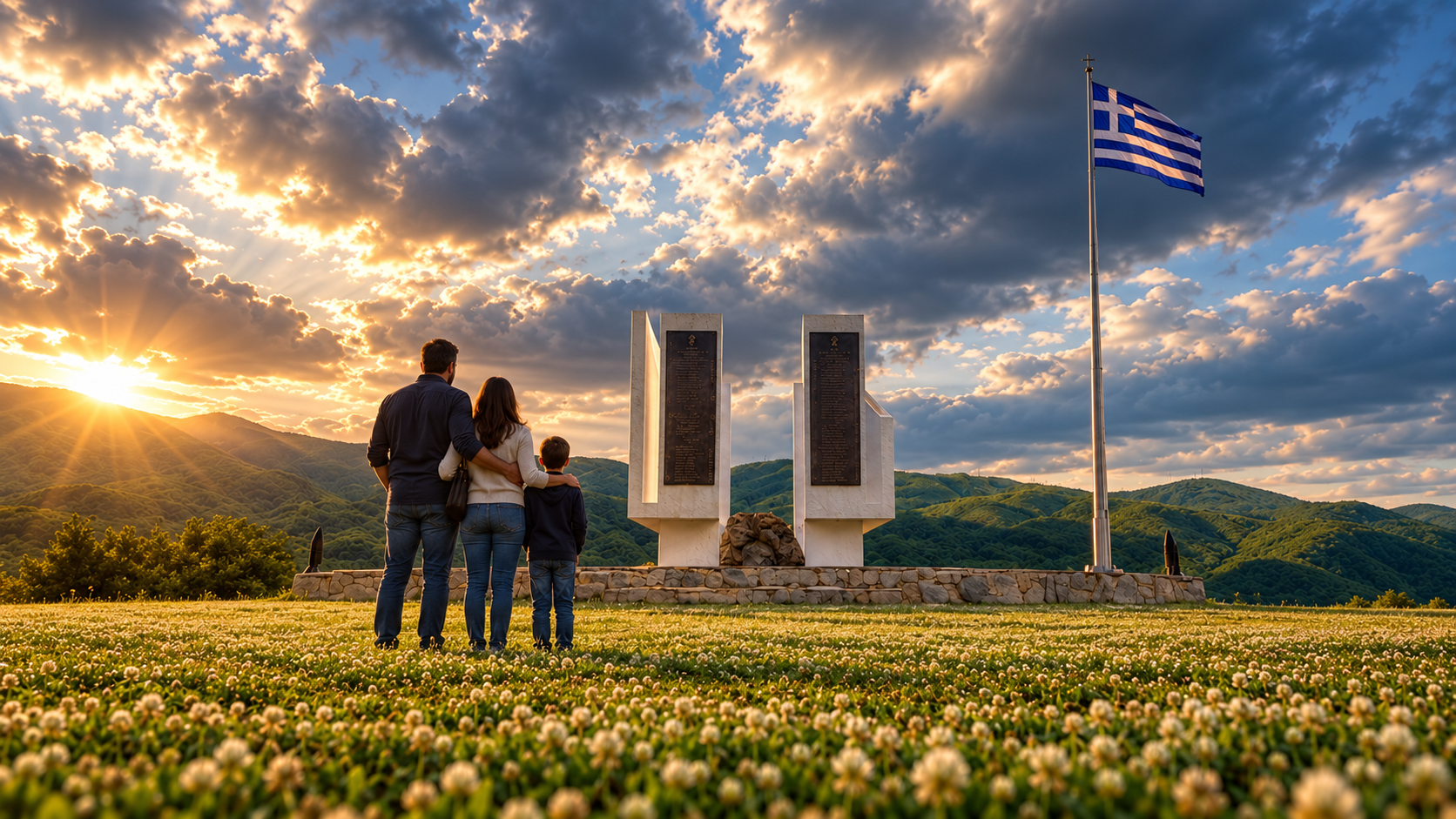
A family in front of the Roupel memorial
01 / MOUNT AGKISTRO

FORT ROUPEL

Enter the tunnels of legendary Roupel and discover the story of a battle that earned the respect even of its opponents.

Tunnels
Battlefield
Historical objects
Memorial

Visitor area managed by the military authorities.

First time at Roupel?What will I discover?

Discover what you will see and experience during your visit.

  • Battlefield

    From the observation post, I look towards the Bulgarian interior and learn how the German attack unfolded in April 1941.

  • Memorial to the fallen

    I read the names of the heroes who lost their lives defending Roupel and the surrounding heights.

  • Kyriakidis’s gun

    I see the destroyed gun of Captain Alexandros Kyriakidis, who lost his life after inflicting heavy losses on the enemy.

  • Virgin and Child icon

    I light a candle in the small chapel housing an icon of the Virgin and Child, dating from 1940–1941 and found in an abandoned tunnel at Fort Roupel.

  • Destroyed mortar emplacement

    I see a destroyed mortar emplacement with its impressive steel armour, once connected by stairways to the fort’s main underground complex.

  • Wartime artefacts

    I discover Greek and German wartime artefacts from the Tsartsidis Historical Museum collection, displayed at the fort’s entrance.

  • Underground tunnels

    I walk through the underground passages and discover the story of the defenders of legendary Roupel.

  • Roupel Museum

    I explore the fort’s museum and discover historical artefacts, photographs and documents from the Battle of the Forts.

  • Dragon’s teeth

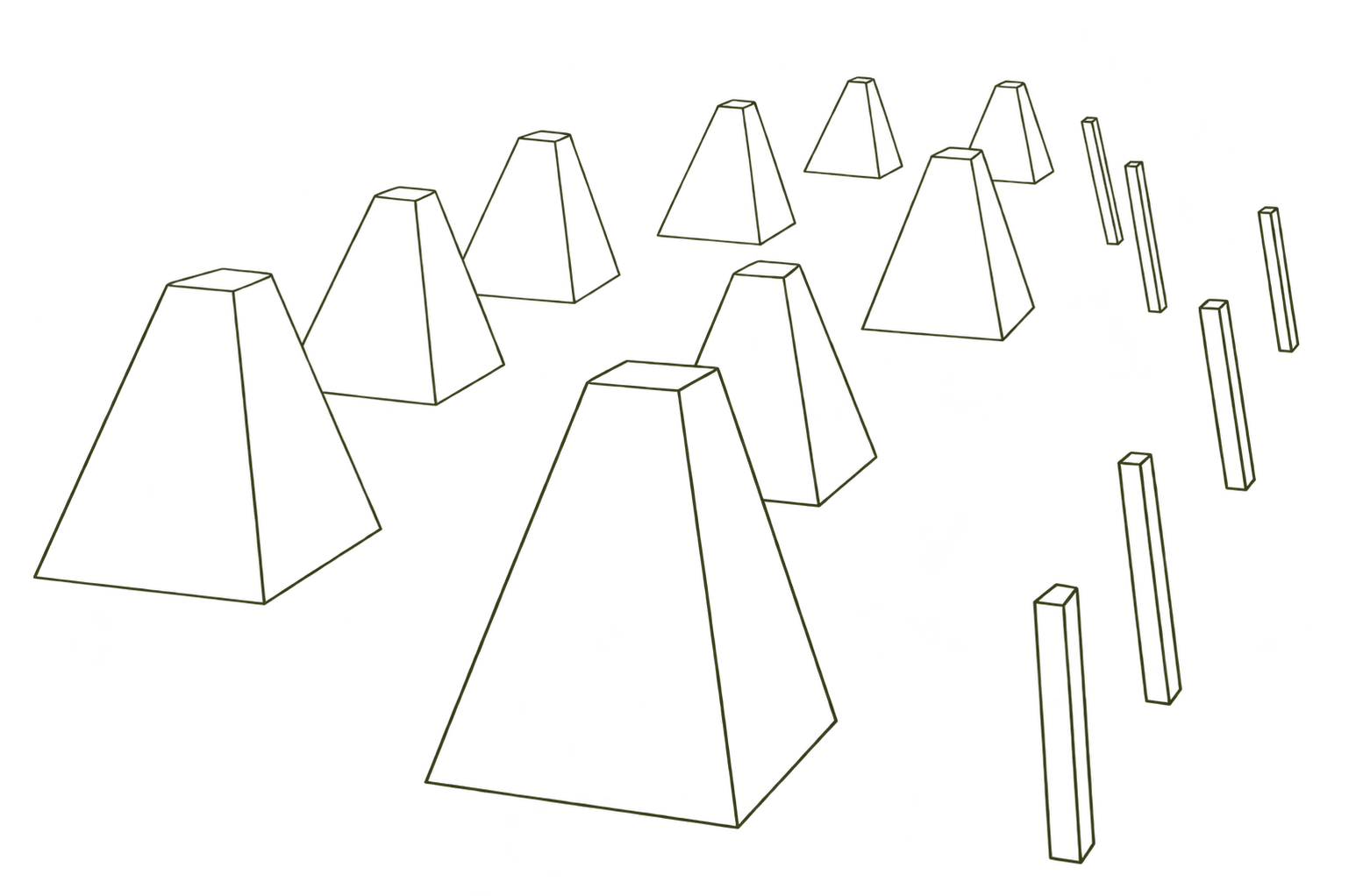
    I see the distinctive concrete anti-tank obstacles of the Metaxas Line and learn how they were used to stop enemy tanks advancing.

  • “Ochi” memorial – Ioannis Metaxas

    I stand before the memorial dedicated to the historic “No” and Ioannis Metaxas, connecting 28 October 1940 with Greek resistance during the Second World War.

15΄BY CAR FROM ROUPEL
First time at the Belles WWII Memorial Centre?What will I discover?

Discover what you will see and experience during your visit.

  • Metaxas Line

    Through historical documents, rare photographs and dioramas, I learn about the immense task of fortifying Greece’s northern borders, considered one of the country’s largest construction projects of the 20th century.

  • Interactive applications

    I explore history through digital applications combining historical knowledge with modern technology. I hear Georgios Drosos from Santorini describe how he was taken blindfolded from Piraeus to Belles to work secretly on the construction of the forts.

  • Relief map

    I see a three-dimensional model of the Belles range showing the five forts, the concrete machine-gun positions in the western part of the mountain and the routes of the German invasion through Belles and the Strymon in April 1941.

  • Fragments of war

    I examine authentic Greek and German wartime objects found on the battlefields around the Belles forts, silent witnesses to the fierce fighting of April 1941.

  • Soldiers’ personal belongings

    I see handmade playing cards and dominoes made by the soldiers for their free time, alongside the period magazines and books they read.

  • The last telephone call

    I lift the receiver of a period telephone and hear Tilemachos Zakynthinos, commander of Fort Kelkaya, trying to contact his superiors as the Germans have released gas into the underground tunnels.

  • The door of Fort Kelkaya

    I see an original metal security door from Fort Kelkaya, preserved as it was after the German attack. Beside it, a 1941 photograph shows it fallen at the fort’s entrance, in the very spot where it was found.

  • Dedicated screening room

    I watch a 15-minute historical film that takes me back to April 1941, bringing to life the dramatic German attack and the heroic struggle of the forts’ defenders.

  • Virtual reality experience (VR)

    I put on the headset and virtually enter a fort, experiencing moments from the lives and battles of its defenders.

  • A souvenir of your visit

    I create my own historically themed souvenir photograph, save it on my phone and share my experience with friends.

VIEW THE ROUTE
ROUPEL → NEO PETRITSI
From Fort Roupel to the Belles Memorial CentreSchematic connection between the two destinations on either side of the Roupel Gorge. Not a navigation map.STRYMONFORT ROUPELNEO PETRITSIBelles WWII Memorial CentreKERKINI / BELLESAGKISTRO MOUNTAINSROUPEL GORGE≈ 15 km
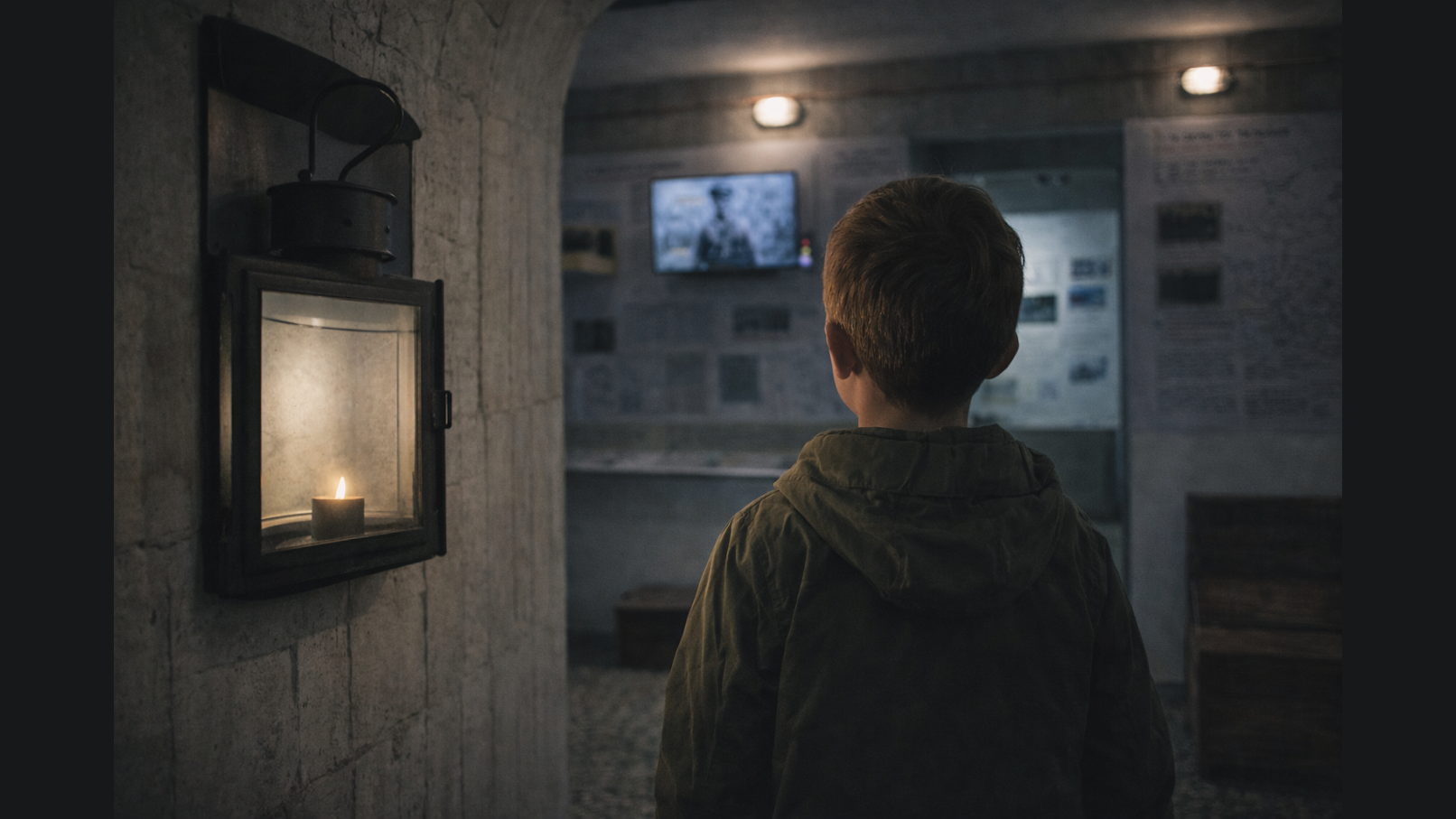
A child discovers the exhibition at the Belles WWII Memorial Centre
02 / MOUNT KERKINI / BELLES

MEMORIAL CENTRE
BELLES WWII

Continue your journey through history in Neo Petritsi, where authentic exhibits, immersive screenings and virtual reality experiences bring the past to life.
Historical objects
Documents
Interactive applications
VR experiences
A souvenir of your visit
DISCOVER THE CENTRE →

The Centre is operated by the Agkistro Drasi Social Cooperative.

Visitors at a fortification on a Metaxas Line Tour route
03 / IN THE FIELD

METAXAS LINE TOUR

Follow the paths of history through the mountains of the Metaxas Line and discover forts, battlefields and moving human stories.

Historical routes
Fortifications
Explore the field
EXPLORE THE TOURS →

Activities are run by Agkistro Action.

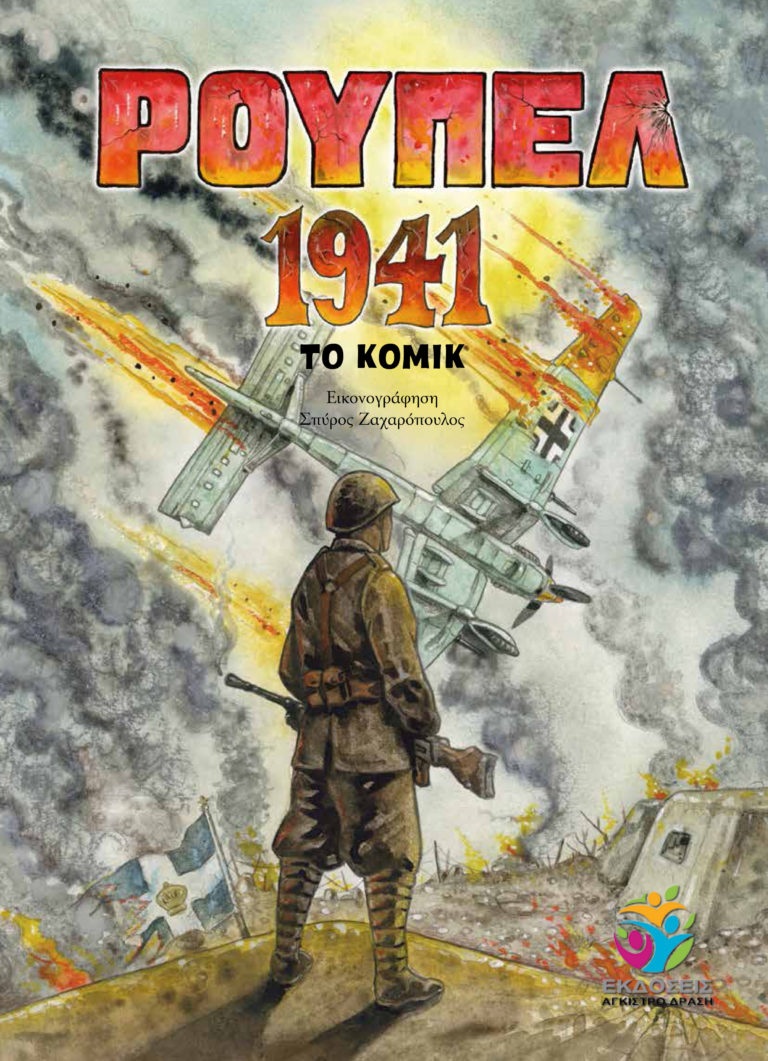
Roupel 1941 — The reenactment
LIVING HISTORY

ROUPEL 1941 REENACTMENT

Every second Sunday in May
DISCOVER THE REENACTMENT ↗
DISCOVER THE HISTORY

BEHIND THE CONCRETE,
THE PEOPLE.

The construction of the Metaxas Line, Fort Roupel and the forts of Serres. An introduction to the historical background of your visit.

Line drawing of anti-tank obstacles, dragon's teeth and rails
01 /

METAXAS LINE

The fortification of the northern border and the Battle of the Forts in April 1941.

02 /

LEGENDARY ROUPEL

The fort's position in the gorge, the resistance and the memory of its defenders.

READ MORE ↗
03 /

THE FORTS OF SERRES

Different positions and missions, a shared history along the Metaxas Line.

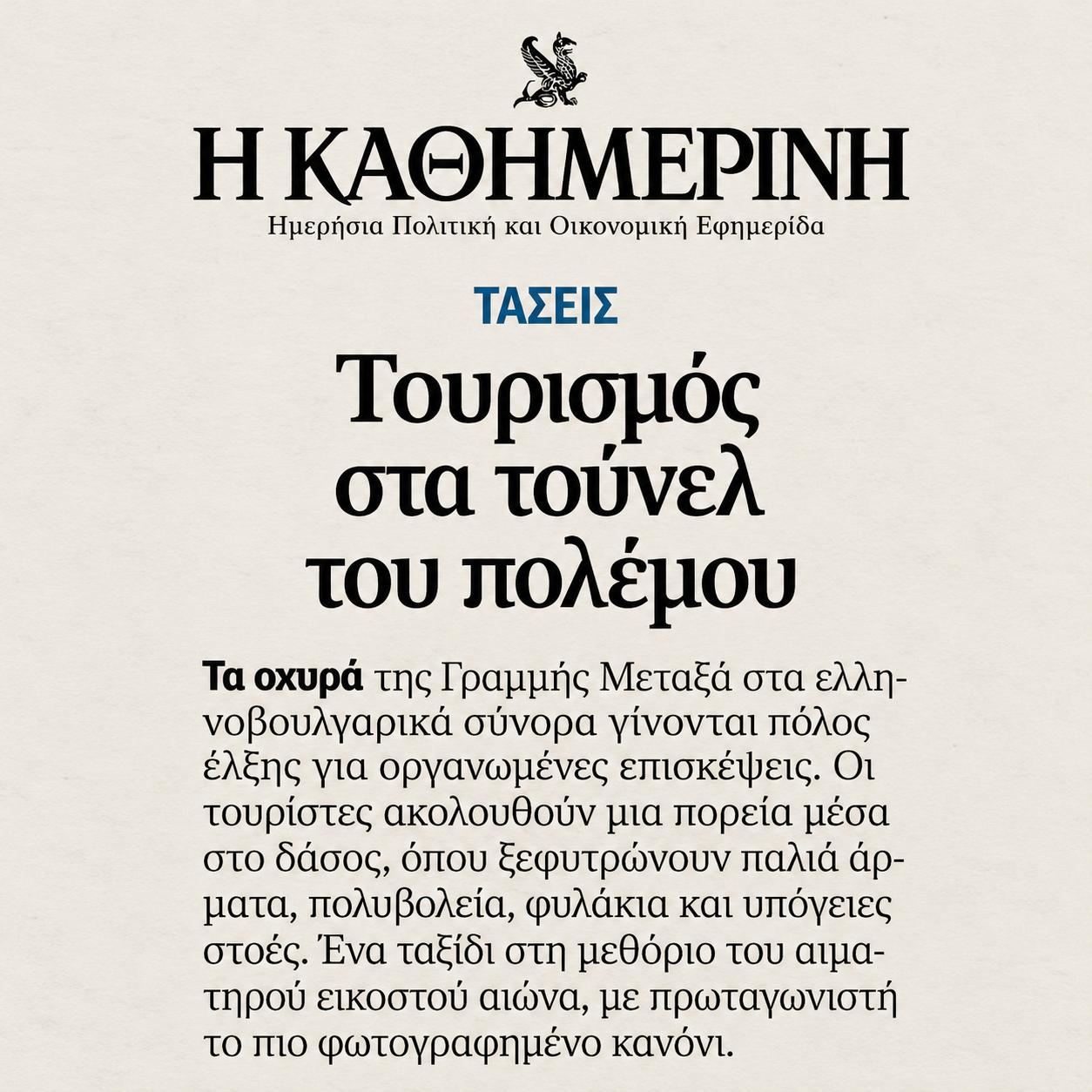
The original Kathimerini clipping
IN THE PRESS

KATHIMERINI

Tourism in the tunnels of war

The feature on historical experiences along the Metaxas Line.

READ MORE ↗
FOR FRIENDS · FAMILIES · SCHOOLS · GROUPS

CREATE YOUR OWN EXPERIENCE.

Talk to us about visiting the Belles WWII Memorial Centre and joining Metaxas Line Tour activities.

HISTORY / METAXAS LINE

THE METAXAS LINE

According to historical accounts, the Metaxas Line was the largest construction project in Greece in the twentieth century and one of the country’s most important fortification works. It was built mainly in 1936–1940, from Belles to the Rhodope Mountains, to counter a possible invasion through Bulgaria. It was named after Ioannis Metaxas, the prime minister of the “No” and a dictator, under whose government the project was carried out.

It comprised 21 autonomous forts: Popotlivitsa, Istibey, Kelkaya, Arpalouki, Paliouriones, Roupel, Karatas, Kali, Persek, Bambazora, Maliaga, Perithori, Partalouska, Dasavli, Lisse, Pyramidoeides, Kastillo, Agios Nikolaos, Bartiseva, Echinos and Nymfaia. Each fort had its own garrison and a distinct mission.

The works were adapted to the mountainous terrain, controlling passes and approaches. Underground tunnels connected machine-gun positions, barracks, stores, kitchens and command facilities. Observation posts and anti-tank obstacles completed the defences. Thousands of people worked to create this underground world.

Construction required roads to be opened in inaccessible areas, enormous quantities of materials to be transported and continuous labour in difficult conditions. The project was designed so that each fort could continue fighting even when isolated. In April 1941, that provision was tested in practice under conditions of intense pressure, uncertainty and military superiority.

On 6 April 1941, German forces attacked the forts. Heavy bombardment and deadly fighting followed. Many forts held out, but the German advance through Yugoslavia and the capture of Thessaloniki led to the capitulation of the Eastern Macedonia Army Section.

Today, the Metaxas Line is a place of historical remembrance. At Roupel Fort, the Belles WWII Memorial Centre and on Metaxas Line Tour routes, visitors explore the sites, discover personal stories and gain an insight into the conditions of battle. Behind the tunnels and concrete are the people who fought, their families and the lives changed by war. A visit concerns more than military events: it also invites reflection on the importance of peace for future generations.

HISTORY / FORTS OF SERRES

THE FORTS OF SERRES

In the north of the Serres region, the Kerkini/Belles and Agkistro mountain ranges are home to eight forts of the Metaxas Line. On Belles, Popotlivitsa, Istibey, Kelkaya, Arpalouki and Paliouriones were built. The Agkistro range housed Roupel, Karatas and Kali. Together they protected key passages from the Greek–Bulgarian border into the Greek interior.

The five Belles forts — Popotlivitsa, Istibey, Kelkaya, Arpalouki and Paliouriones — protected the mountain approaches and prevented enemy forces from descending towards the Serres valley. Holding this defensive position was important for protecting Thessaloniki and northern Greece’s railway links. Covering positions along the ridge, organised into Resistance Centres, reinforced the defences. In western Belles, ten concrete machine-gun emplacements formed part of this system, strengthening border surveillance and defence.

On the eastern side of the Strymon, Roupel controlled the Gorge, a major invasion route from the north. Karatas and Kali protected the passage between Agkistro and Vrontou, preventing an outflanking movement towards Achladochori, Sidirokastro and Serres. Karatas also secured Roupel’s eastern flank.

Built mainly between 1936 and 1940, the forts contained underground tunnels, barracks, stores, command facilities and protected combat positions. Each complex was an autonomous unit adapted to the terrain. Within the mountain, the garrisons organised their daily lives and prepared for defence.

On 6 April 1941, the German attack brought heavy bombardment and fierce fighting. Some forts were captured, while others continued resisting until ordered to cease fighting after the capitulation of the Eastern Macedonia Army Section. Each garrison left its own story of endurance and loss.

Today, the Belles WWII Memorial Centre and Metaxas Line Tour routes connect these scattered traces with the human stories behind them, inviting visitors to discover the area and understand what happened here.