ROUPELHISTORY · MEMORY · EXPERIENCE
Roupel Open-Meteo
DISCOVER THE HISTORY

BEHIND THE CONCRETE,
THE PEOPLE.

The construction of the Metaxas Line, Fort Roupel and the forts of Serres. An introduction to the historical background of your visit.
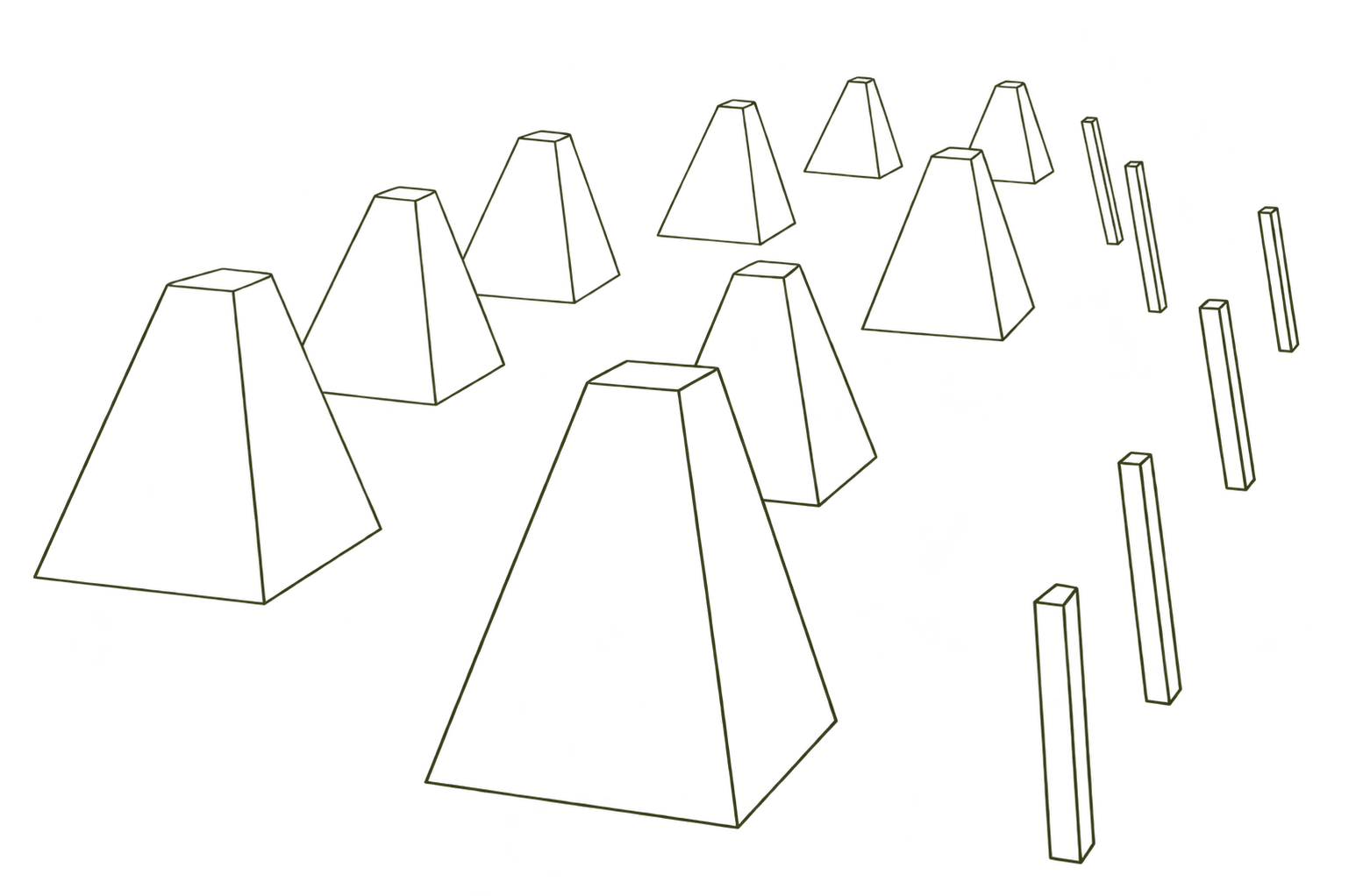
Line drawing of anti-tank obstacles, dragon's teeth and rails
01 /

METAXAS LINE

The fortification of the northern border and the Battle of the Forts in April 1941.

02 /

LEGENDARY ROUPEL

The fort's position in the gorge, the resistance and the memory of its defenders.

READ MORE ↗
03 /

THE FORTS OF SERRES

Different positions and missions, a shared history along the Metaxas Line.

CONTINUE THE EXPERIENCE

ONE HISTORY. THREE EXPERIENCES.

Combine Fort Roupel, the Belles Memorial Centre and the routes of Metaxas Line Tour.

HISTORY / METAXAS LINE

THE METAXAS LINE

According to historical accounts, the Metaxas Line was the largest construction project in Greece in the twentieth century and one of the country’s most important fortification works. It was built mainly in 1936–1940, from Belles to the Rhodope Mountains, to counter a possible invasion through Bulgaria. It was named after Ioannis Metaxas, the prime minister of the “No” and a dictator, under whose government the project was carried out.

It comprised 21 autonomous forts: Popotlivitsa, Istibey, Kelkaya, Arpalouki, Paliouriones, Roupel, Karatas, Kali, Persek, Bambazora, Maliaga, Perithori, Partalouska, Dasavli, Lisse, Pyramidoeides, Kastillo, Agios Nikolaos, Bartiseva, Echinos and Nymfaia. Each fort had its own garrison and a distinct mission.

The works were adapted to the mountainous terrain, controlling passes and approaches. Underground tunnels connected machine-gun positions, barracks, stores, kitchens and command facilities. Observation posts and anti-tank obstacles completed the defences. Thousands of people worked to create this underground world.

Construction required roads to be opened in inaccessible areas, enormous quantities of materials to be transported and continuous labour in difficult conditions. The project was designed so that each fort could continue fighting even when isolated. In April 1941, that provision was tested in practice under conditions of intense pressure, uncertainty and military superiority.

On 6 April 1941, German forces attacked the forts. Heavy bombardment and deadly fighting followed. Many forts held out, but the German advance through Yugoslavia and the capture of Thessaloniki led to the capitulation of the Eastern Macedonia Army Section.

Today, the Metaxas Line is a place of historical remembrance. At Roupel Fort, the Belles WWII Memorial Centre and on Metaxas Line Tour routes, visitors explore the sites, discover personal stories and gain an insight into the conditions of battle. Behind the tunnels and concrete are the people who fought, their families and the lives changed by war. A visit concerns more than military events: it also invites reflection on the importance of peace for future generations.

HISTORY / FORTS OF SERRES

THE FORTS OF SERRES

In the north of the Serres region, the Kerkini/Belles and Agkistro mountain ranges are home to eight forts of the Metaxas Line. On Belles, Popotlivitsa, Istibey, Kelkaya, Arpalouki and Paliouriones were built. The Agkistro range housed Roupel, Karatas and Kali. Together they protected key passages from the Greek–Bulgarian border into the Greek interior.

The five Belles forts — Popotlivitsa, Istibey, Kelkaya, Arpalouki and Paliouriones — protected the mountain approaches and prevented enemy forces from descending towards the Serres valley. Holding this defensive position was important for protecting Thessaloniki and northern Greece’s railway links. Covering positions along the ridge, organised into Resistance Centres, reinforced the defences. In western Belles, ten concrete machine-gun emplacements formed part of this system, strengthening border surveillance and defence.

On the eastern side of the Strymon, Roupel controlled the Gorge, a major invasion route from the north. Karatas and Kali protected the passage between Agkistro and Vrontou, preventing an outflanking movement towards Achladochori, Sidirokastro and Serres. Karatas also secured Roupel’s eastern flank.

Built mainly between 1936 and 1940, the forts contained underground tunnels, barracks, stores, command facilities and protected combat positions. Each complex was an autonomous unit adapted to the terrain. Within the mountain, the garrisons organised their daily lives and prepared for defence.

On 6 April 1941, the German attack brought heavy bombardment and fierce fighting. Some forts were captured, while others continued resisting until ordered to cease fighting after the capitulation of the Eastern Macedonia Army Section. Each garrison left its own story of endurance and loss.

Today, the Belles WWII Memorial Centre and Metaxas Line Tour routes connect these scattered traces with the human stories behind them, inviting visitors to discover the area and understand what happened here.